
In modern buildings, new energy equipment, and industrial infrastructure, fire risk not only concerns property damage but also directly threatens life safety and the continuous operation of systems.
In the face of severe challenges such as high-intensity wear, chemical corrosion, and environmental aging in industrial equipment, infrastructure, and special vehicles, traditional protective coatings often struggle to balance toughness, adhesion, and dur
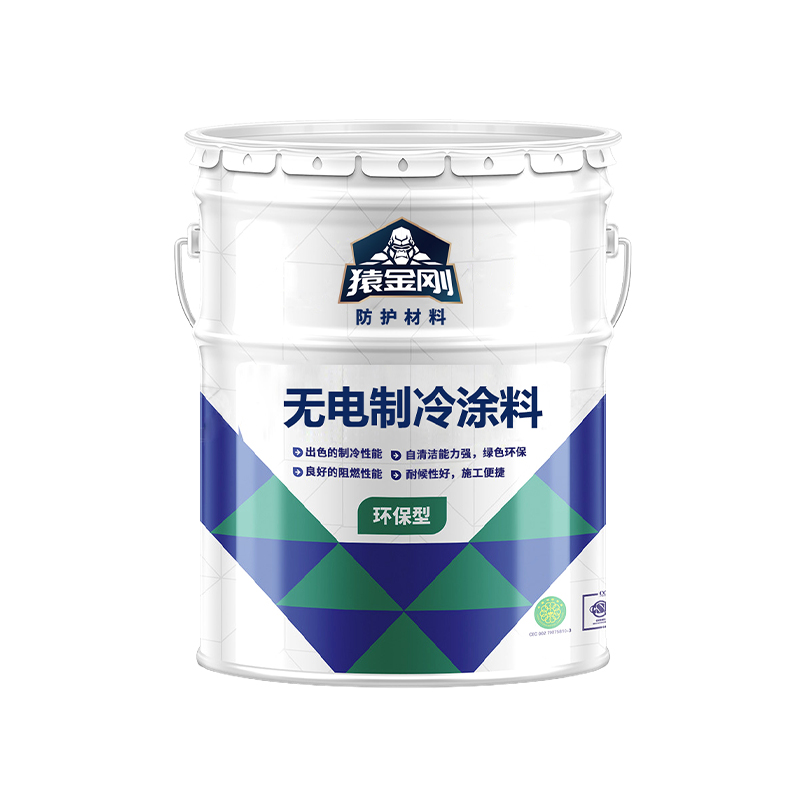
Against this backdrop, radiative cooling coating, with its passive, zero-energy, and highly efficient cooling advantages, is becoming an innovative solution for improving the thermal management capabilities of photovoltaic energy storage systems.
The porosity of the carbonized layer can typically reach over 80%, and its interior is filled with inactive gas, forming a highly efficient heat insulation barrier that significantly reduces heat transfer efficiency.
During the long-term service life of industrial facilities, corrosion remains a persistent threat to structural safety and longevity.
Amid frequent urban heat waves and rising building energy consumption, radiative cooling coatings, a "passive cooling" technology that provides energy-free cooling, are gradually moving from the laboratory to real-world applications.