How to balance fire resistance and structural heat dissipation efficiency in the application of Flame-Retardant Thermal Insulation Protective Materia in new energy battery boxes?
Publish Time: 2026-05-09
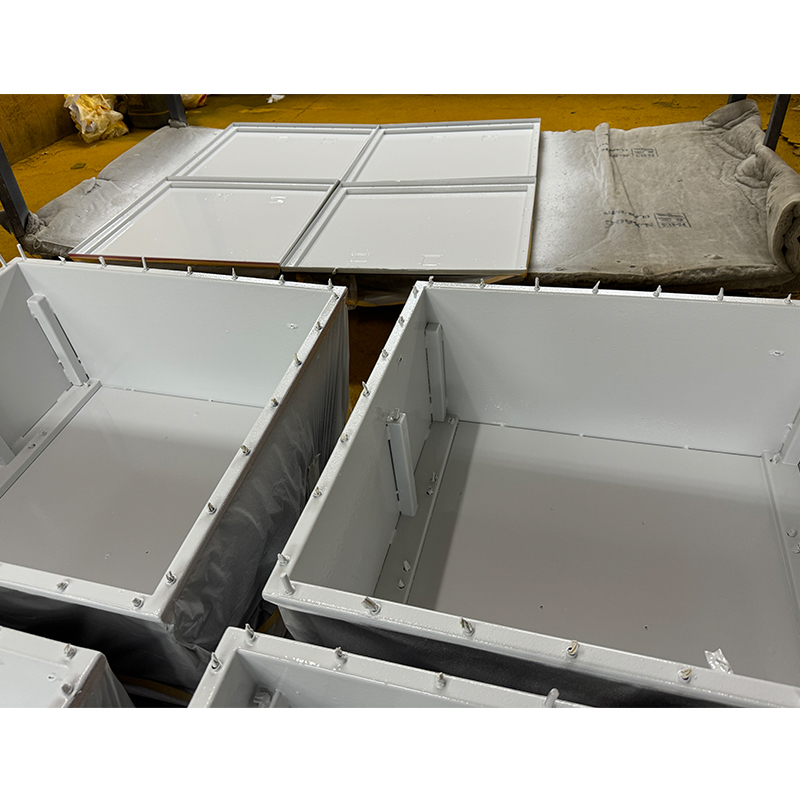
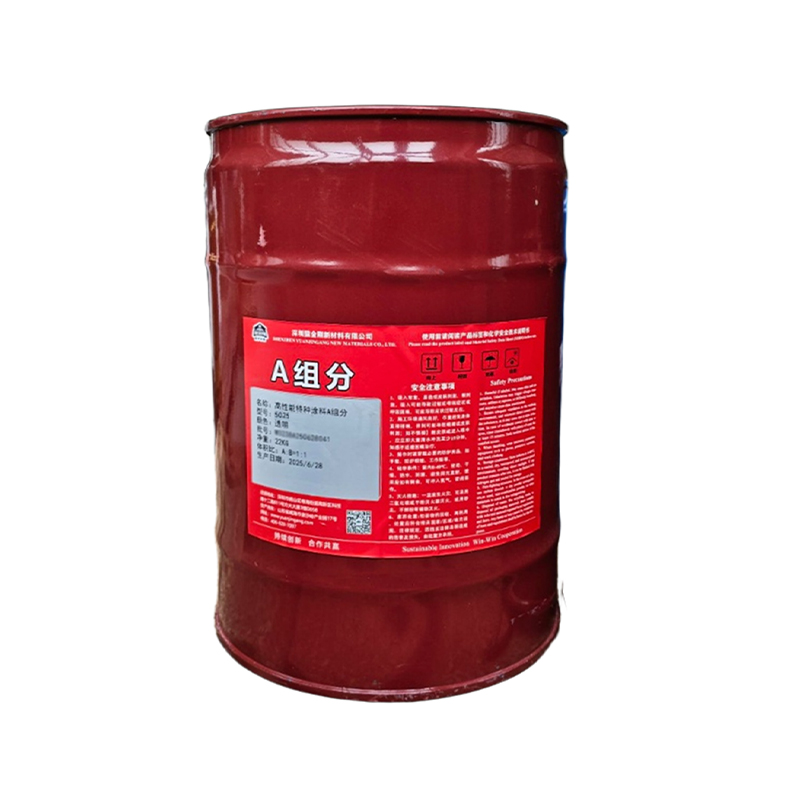
With the rapid development of the new energy industry, battery boxes, as the core load-bearing structure of energy storage and power systems, are particularly critical for their safety and thermal management performance. Especially in situations where thermal runaway risks exist, Flame-Retardant Thermal Insulation Protective Materia is widely used on the surface and internal structure of battery boxes to improve the overall fire resistance rating.1. The fundamental role of flame retardant mechanism and thermal insulation performanceThe core function of Flame-Retardant Thermal Insulation Protective Materia is to form a stable thermal insulation barrier under high temperatures or fire sources, delaying the propagation of heat into the battery. Through a high-solids-content two-component system forming a dense coating structure, a carbonized or ceramicized protective layer can be generated when heated, effectively blocking heat transfer. This structure can significantly reduce the rate of heat diffusion under fire conditions, buying the battery system safe reaction time.2. Conflict Between Heat Dissipation Requirements and Battery Operating Temperature ControlNew energy batteries continuously generate heat during charging and discharging. Insufficient heat dissipation can lead to temperature accumulation, affecting battery performance and even causing thermal runaway. Therefore, the battery box must have good heat conduction or heat dissipation paths. However, flame-retardant insulation materials inherently emphasize low thermal conductivity, creating a natural conflict with heat dissipation requirements. Excessive insulation may prevent timely heat release, affecting system stability.3. Optimized Functional Zoning Through Material Structure DesignTo resolve this conflict, engineering design typically employs a functional zoning approach. A highly flame-retardant insulation coating is used on the outer layer of the battery box to resist external fire sources and high-temperature impacts. Internally, or in critical heat dissipation areas, optimized heat conduction paths are designed, such as by setting heat conduction channels or metal heat sinks, allowing heat to be directionally conducted and effectively released. This "external insulation, internal heat conduction" structural design helps achieve a performance balance.4. The Key Role of Coating Thickness in Thermal Conductivity ControlThe thickness of the flame-retardant insulation coating directly affects its thermal resistance and heat dissipation capacity. While excessively thick coatings enhance flame retardancy, they significantly reduce heat dissipation efficiency; conversely, excessively thin coatings may fail to provide effective protection. Therefore, by precisely controlling coating thickness and employing gradient coating designs in different areas, flame retardancy can be enhanced in critical protection areas, while thermal resistance is reduced in heat dissipation areas, thus achieving differentiated performance optimization.5. Synergistic Optimization of Material Systems and Filler TechnologiesModern flame-retardant thermal insulation materials typically adjust thermal properties by introducing functional fillers, such as ceramic microparticles, aerogels, or thermally conductive fillers. Through proper formulation, flame retardancy can be maintained while improving local heat conduction paths, allowing for more efficient heat release in specific directions. This synergistic design of the material system ensures that flame retardancy and heat dissipation are no longer completely contradictory but rather form a dynamic balance.