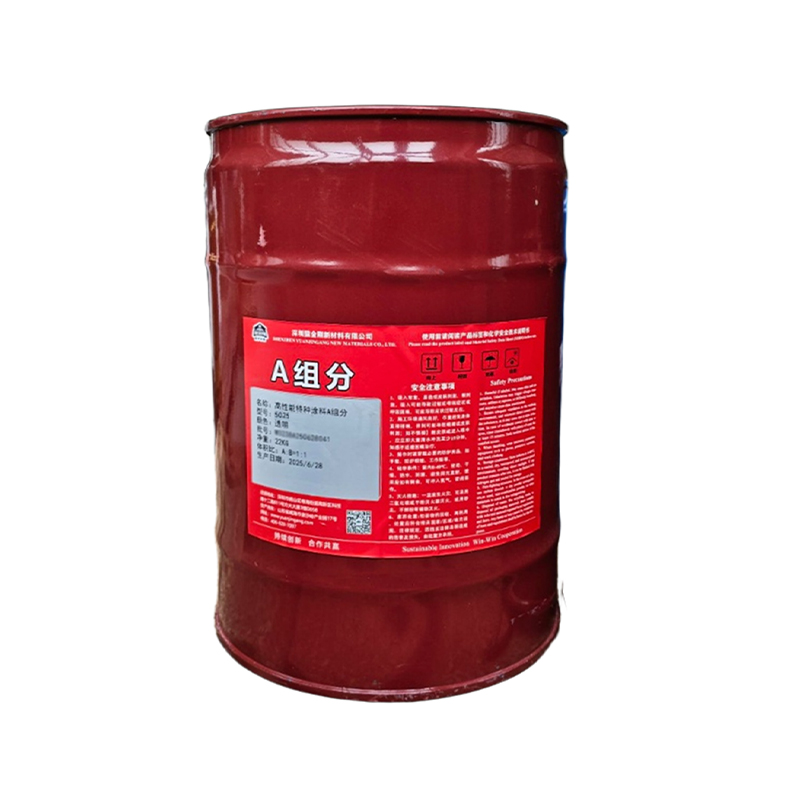
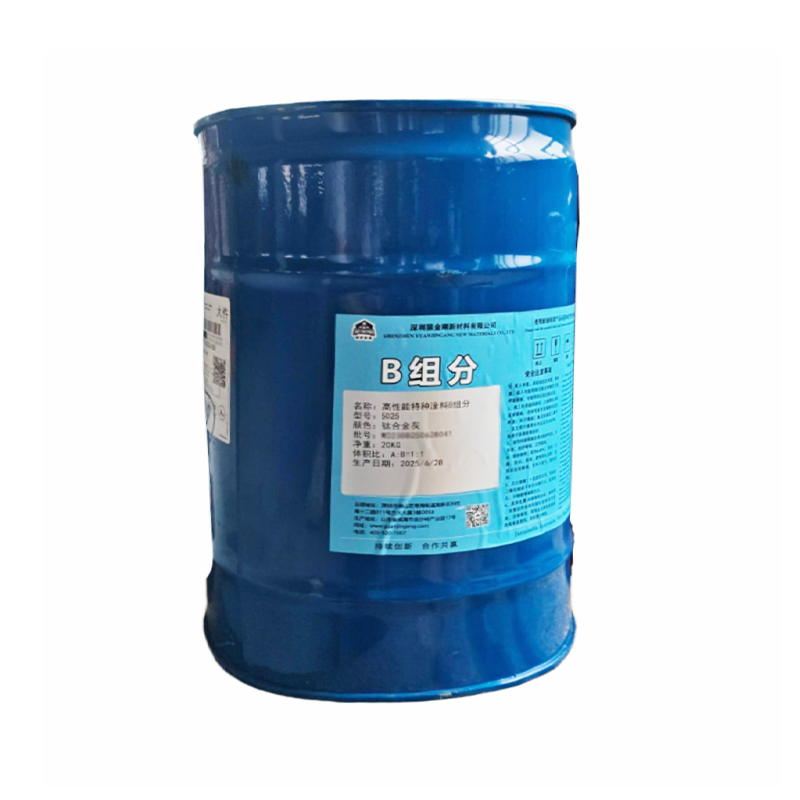
In fields with increasingly stringent safety requirements, such as new energy, power, construction, and rail transportation, flame-retardant thermal insulation protective materia has evolved from an "auxiliary coating" to a critical safety barrier. In particular, a new type of specialty topcoat using a two-component high-solids-content system is widely used in cable, new energy battery boxes, and steel structures due to its rapid curing, high strength, corrosion resistance, and excellent fire resistance. The high-solids-content formulation is the core technological foundation for achieving a dense, seamless, and highly efficient fire barrier. This characteristic not only enhances physical protection capabilities but also fundamentally optimizes the material's flame-retardant and heat-insulating mechanisms.1. High solids content reduces volatiles, creating a non-porous continuous film layerTraditional low-solids coatings rely on the evaporation of large amounts of organic solvents during film formation, easily forming micropores, pinholes, or shrinkage cracks within the coating, becoming channels for the penetration of flames, hot gases, or corrosive media. High-solids-content flame-retardant thermal insulation protective materials, after application, have very low volatile components and a high proportion of effective components such as resin, flame retardant, and fillers. During curing, the molecular cross-linking density is high, and the volume shrinkage is small, thus forming a highly continuous, seamless, and defect-free dense film. This "seamless" structure effectively blocks the transmission paths of oxygen and heat, inhibiting the spread of flames in the early stages of a fire and preventing fire from rapidly penetrating the substrate through coating defects.
2. High-filler flame-retardant system synergistically enhances thermal insulation performanceHigh solids content not only means more film-forming materials but also allows for the introduction of a higher proportion of functional inorganic fillers in the formulation—such as expanded graphite, aluminum hydroxide, silicon-based flame retardants, and hollow ceramic microspheres. These fillers can undergo endothermic decomposition at high temperatures, releasing flame-retardant gases or forming a porous carbon layer, significantly delaying heat transfer to the substrate. Due to the high solids content of the system, the fillers are more evenly distributed and densely packed, avoiding sedimentation or agglomeration caused by excessive solvent. Especially in applications such as battery boxes, dense coatings can rapidly form a thermal barrier in the early stages of thermal runaway, confining localized high temperatures to a limited area and preventing the spread of a "chain reaction," thus buying valuable time for safety.3. High Crosslinking Density Enhances Mechanical Strength and Long-Term StabilityHigh-solids-content two-component systems are typically based on epoxy, polyurethane, or modified acrylic resins, combined with highly efficient curing agents, enabling the rapid formation of a three-dimensional network structure at room or low temperatures. This high-crosslinking-density network endows the coating with excellent hardness, abrasion resistance, and impact resistance, maintaining its integrity even under frequent vibration or external scratching conditions, preventing loss of fire-retardant function due to damage. Simultaneously, the dense structure significantly reduces the permeability of water vapor, salt spray, and chemical media, allowing the coating to maintain its flame-retardant properties for a long time in outdoor or industrial environments, avoiding the problem of traditional fire-retardant coatings failing due to aging and chalking.