How does radiative cooling coating significantly lower the surface temperature of storage tanks compared to ambient air?
Publish Time: 2026-01-02
In the sweltering summer heat, metal storage tanks, battery cabinets, or photovoltaic inverter casings exposed to the blazing sun often become scorching hot, with internal temperatures rising rapidly. This not only accelerates material aging but can also lead to decreased equipment efficiency and even safety hazards. Traditional cooling methods rely on fans, air conditioning, or insulation layers, but these solutions are either energy-intensive or have limited effectiveness. The emergence of radiative cooling coating offers a revolutionary approach—it requires no electricity, has no mechanical parts, and only a thin coating can lower the surface temperature of an object to the surrounding air temperature. This seemingly counterintuitive phenomenon is secreted by the ingenious synergy of "high solar reflectivity" and "high infrared emissivity."
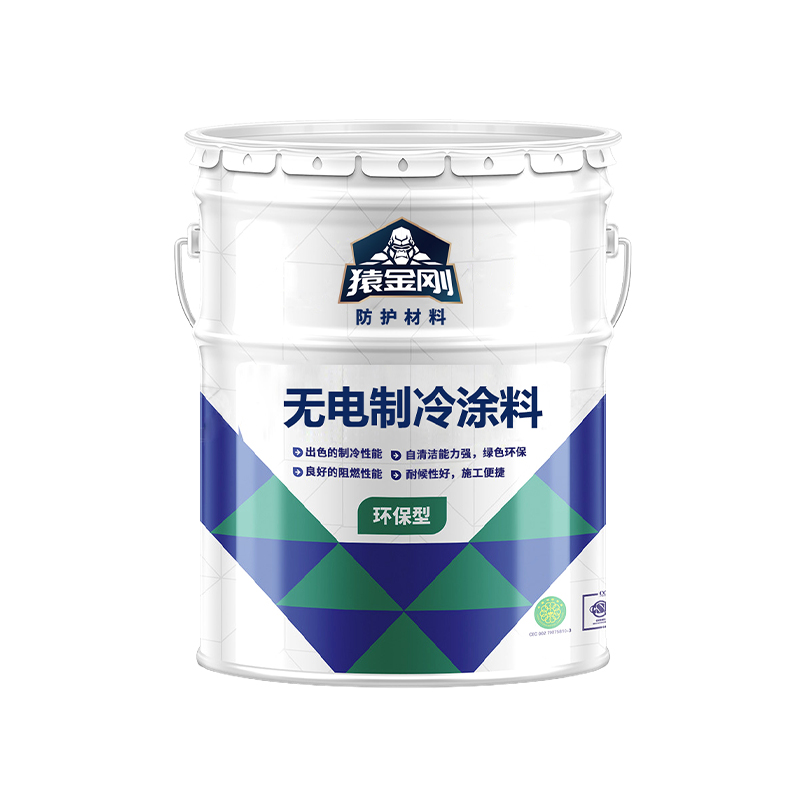
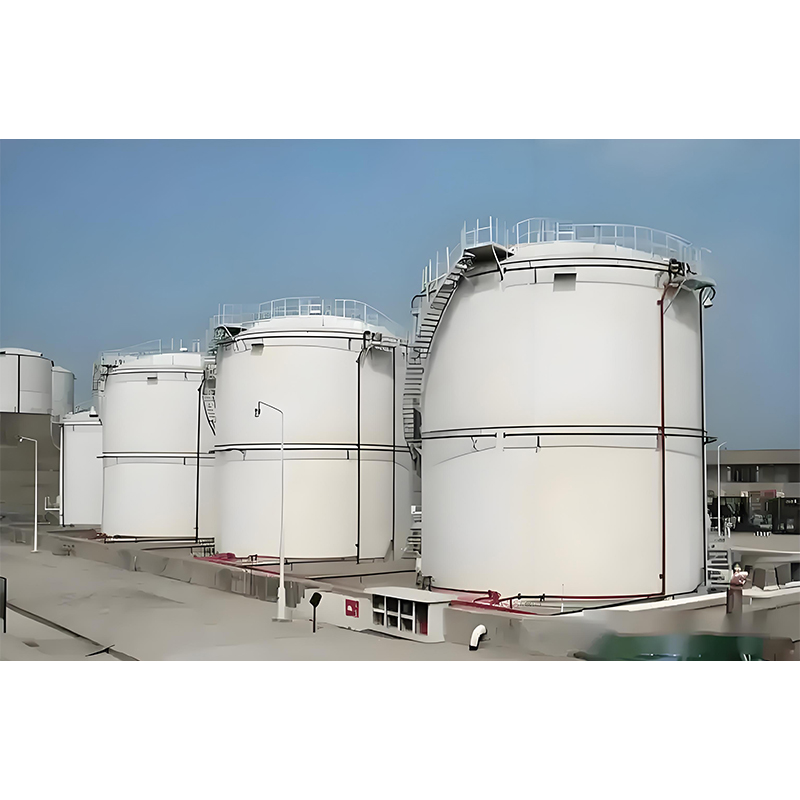
First, high reflectivity forms the first line of defense. During the day, sunlight contains a large amount of visible light and near-infrared radiation, the main heat source for objects to heat up. Radiative cooling coating, through micron or nano-scale functional fillers in a special formula, achieves efficient reflection of the solar spectrum, "bouncing" most of the incident energy back into the atmosphere instead of it being absorbed by the surface and converted into heat. This is like putting a "smart reflective coat" on a storage tank, significantly reducing heat absorption at the source. Even under strong midday sunlight, the coating surface won't rapidly heat up due to heat absorption, laying the foundation for subsequent cooling mechanisms.However, reflection alone is insufficient to achieve the effect of "below ambient temperature." The real key lies in high infrared radiation capability—the core physics of radiative cooling. All objects above absolute zero radiate heat outward in the infrared band. Radiative cooling coatings have extremely high emissivity in the 8–13 micrometer atmospheric transparency window band, meaning they can efficiently transmit their heat through the atmosphere in the form of infrared radiation, directly dissipating it into outer space. Outer space, near absolute zero, is a nearly infinite "cold source." Therefore, even during the day, as long as the rate of radiative heat dissipation exceeds the heat gain from solar heat absorption and air convection, the surface temperature of an object can remain below ambient temperature.This ability to "dissipate heat into space" is the ultimate form of passive cooling. The key to achieving this goal lies in the synergistic dual-effect design of the coating: high reflectivity minimizes heat rise, while high emissivity actively dissipates heat. These two aspects work together to form a highly efficient "net cooling output" system. The cooling effect is particularly significant on clear, dry nights when there is no solar radiation interference; during the day, a high-quality radiative cooling coating can maintain a surface temperature several degrees lower than uncoated areas.Furthermore, self-cleaning properties ensure long-term performance. Dust, oil, and other contaminants adhering to the coating surface reduce reflectivity and emissivity, weakening the cooling effect. Therefore, advanced radiative cooling coatings often possess hydrophobic or photocatalytic self-cleaning functions, allowing rainwater to wash away dirt or decomposing organic pollutants under sunlight, ensuring long-term surface cleanliness and maintaining stable thermal management performance.
A deeper significance lies in the fact that this technology provides a sustainable thermal management solution for large-scale outdoor infrastructure. Whether it's the battery cabinets of energy storage power stations, bulk storage tanks in chemical plants, or the chassis of communication base stations, overheating is a hidden killer affecting safety and lifespan. Radial cooling coatings, operating with zero energy consumption and requiring no maintenance, silently protect equipment, keeping it within a more suitable temperature range, extending its lifespan, improving energy efficiency, and reducing reliance on active cooling systems, thus indirectly lowering carbon emissions.Ultimately, the reason radiative cooling coatings can make storage tanks "cooler than air" is not magic, but a clever utilization of the laws of natural thermodynamics. It doesn't fight against sunlight, but cleverly guides energy flow; it consumes no resources, yet continuously outputs "cooling power." When a thin white or light-colored coating covers steel, it becomes a thermal channel connecting Earth and deep space—silently bringing a touch of cosmic coolness to the scorching world. True energy conservation sometimes begins with the quietest layer of paint.