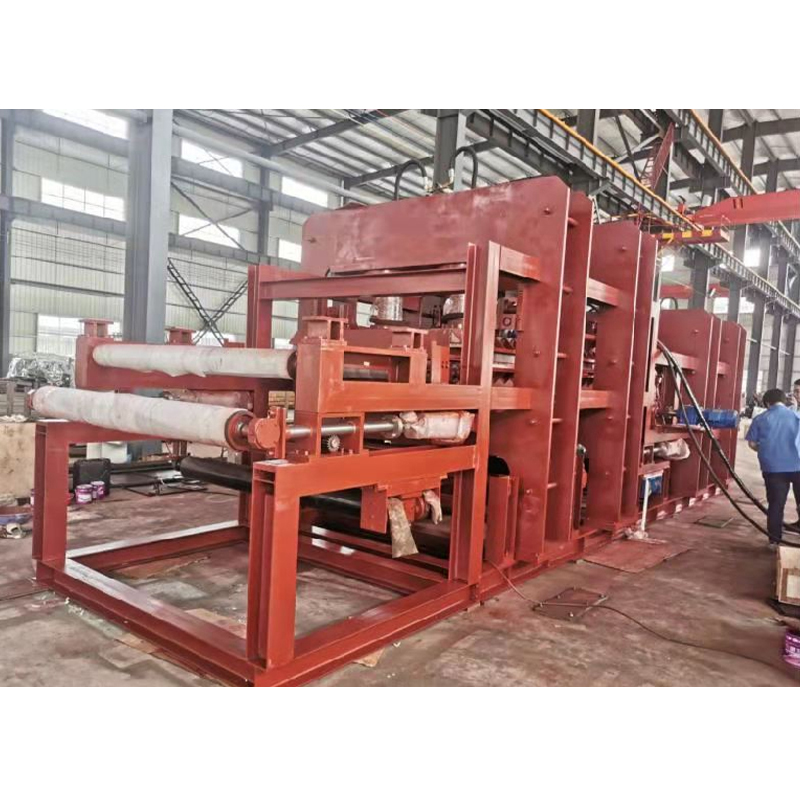
In the field of engineering machinery manufacturing and maintenance, equipment is constantly exposed to mud, rainwater, oil, ultraviolet radiation, and severe friction, placing stringent demands on the durability of surface coatings. While traditional protective coatings offer some protection, they often come at the cost of high volatile organic compound (VOC) emissions, long curing cycles, or complex construction conditions, making it difficult to meet today's increasingly stringent environmental regulations and high-efficiency production pace. The emergence of aspartic polyurea coating is quietly breaking this deadlock—it not only constructs a high-strength, corrosion-resistant, and scratch-resistant "invisible armor," but also achieves a harmonious balance between high performance and green compliance through its high solids content, low VOC emissions, and ease of application.
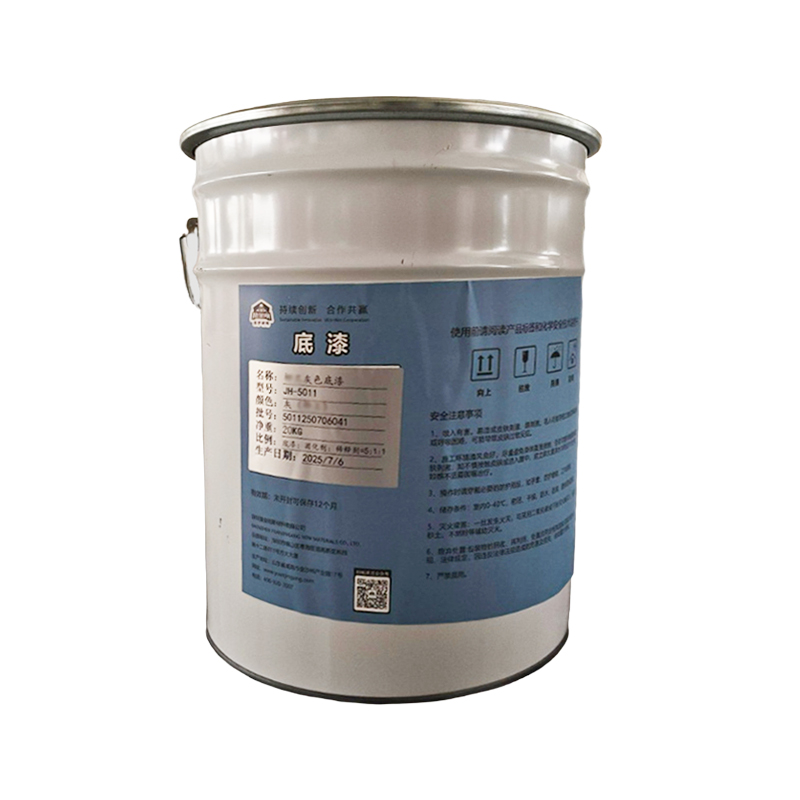
Its environmental advantages are primarily reflected in the fundamental innovation of its formulation. Aspartic polyurea utilizes advanced molecular design, significantly reducing or even eliminating harmful diluents such as benzene and ketones relied upon in traditional solvent-based coatings. High solids content means an extremely high proportion of effective film-forming substances per unit volume, eliminating the need for solvent evaporation to form a film after spraying, thus significantly reducing VOC emissions. This not only makes the air at construction sites cleaner and protects worker health, but also easily meets increasingly stringent environmental regulations worldwide, avoiding the risk of shutdowns or fines due to excessive emissions. For OEMs pursuing green manufacturing, this is not only a compliance choice but also a manifestation of corporate social responsibility.
However, environmental protection does not come at the expense of performance. On the contrary, aspartic polyurea forms a dense, seamless, and highly cross-linked elastomeric film after curing, and its molecular structure endows the coating with excellent physical and chemical stability. It effectively resists acid and alkali corrosion, salt spray penetration, oil contamination, and UV aging, preventing corrosion of metal substrates; at the same time, it has excellent impact resistance and abrasion resistance, maintaining surface integrity even on construction sites with flying gravel and metal collisions, preventing pitting corrosion caused by scratches. This "one-piece film-forming" characteristic eliminates the interlayer peeling or edge lifting problems that may occur in traditional multi-layer coatings, truly achieving all-round, blind-spot-free protection.
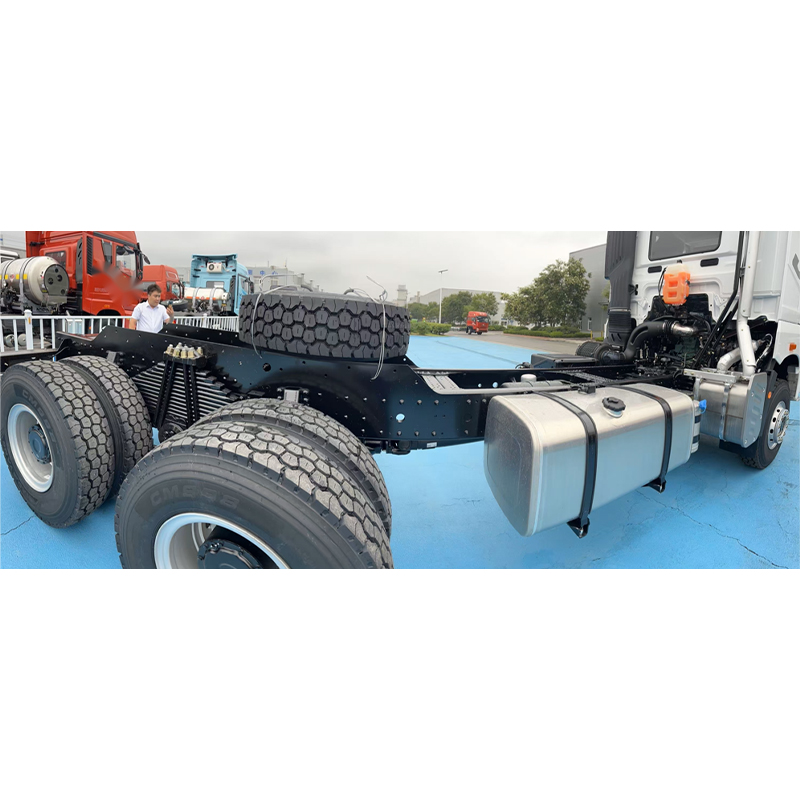
Even more commendable is that its superior performance and green attributes do not increase the application threshold. Aspartic polyurea is compatible with conventional high-pressure airless spraying or traditional air spraying equipment, eliminating the need for expensive specialized equipment and significantly reducing production line modification costs. Its reactivity is carefully controlled, ensuring rapid surface drying and complete drying while still leaving sufficient operating window for large-area uniform application. A single thick coat can achieve the ideal film thickness, eliminating the cumbersome process of multiple thin coats and significantly shortening equipment delivery cycles. This "quick-drying and quick-use" characteristic is particularly valuable for scenarios requiring rapid refurbishment or on-site repair.
Furthermore, this coating also possesses both aesthetic and practical value. Whether used as a high-saturation colored topcoat or a high-transparency clear varnish, it delivers a uniform, glossy, and durable appearance. The transparent version is particularly suitable for showcasing the original color of metals or brand logos, while providing strong protection; while the colored coating can be customized with corporate standard colors to enhance brand recognition. The dense surface is resistant to dust and easy to clean; daily maintenance requires only a simple rinse to restore it to its original condition, reducing long-term cleaning costs.
Ultimately, the reason aspartic polyurea coating can balance superior protection and green compliance is not a technological compromise, but a systemic upgrade brought about by advancements in materials science. It uses cleaner chemistry to write a more robust chapter of protection. When an excavator toils day and night in a mine, its seemingly ordinary coating silently uses technological power to resist wind and sand erosion, protect the equipment's lifespan, and pay homage to the blue sky and white clouds.
Truly advanced coatings go beyond simply "protecting"; they must also "clean." In the era of sustainable development, aspartic polyurea, in the name of green, is clad in a protective robe that is both strong and clean for steel behemoths—ensuring protection no longer comes at the expense of the environment.