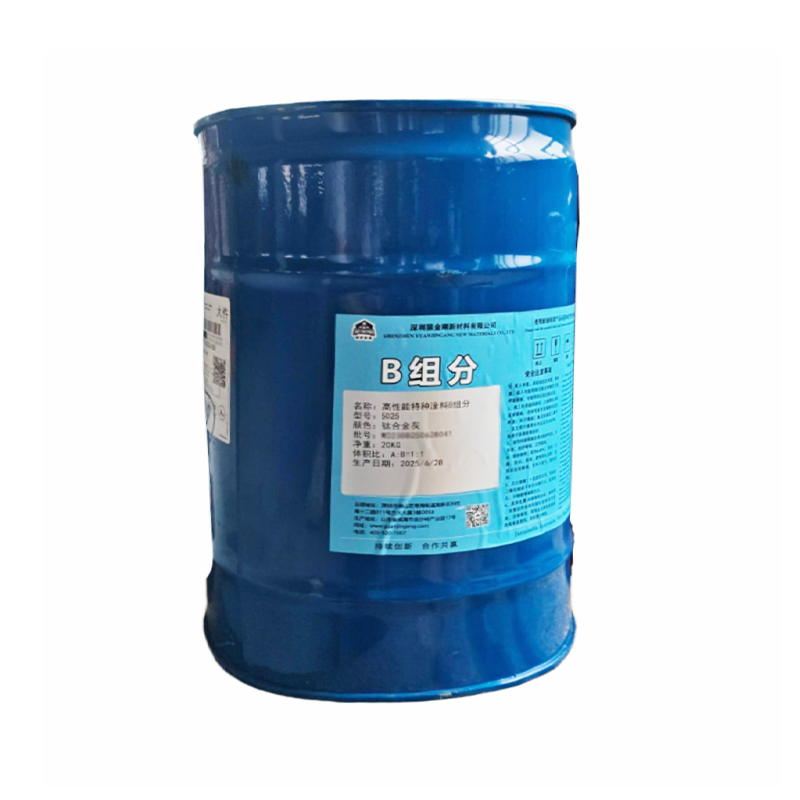
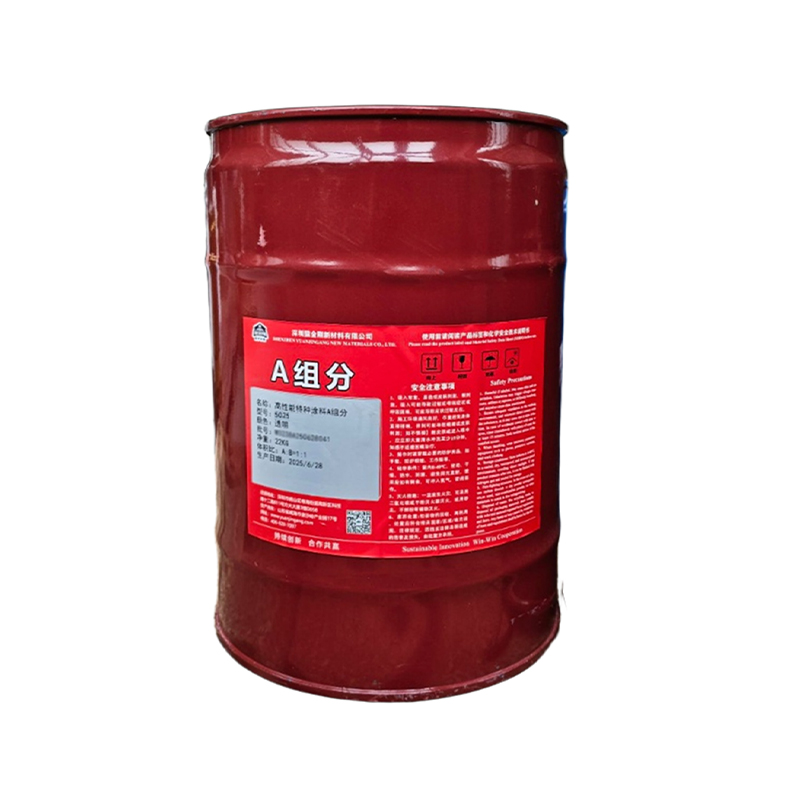
How can flame-retardant thermal insulation protective materials, when applied to the outer surface of cables, improve the coating's abrasion resistance while ensuring flame retardancy?
Publish Time: 2026-03-10
In power transmission and communication systems, cables, as crucial energy and information transmission carriers, are directly related to the stability of the entire system. To enhance the safety protection capabilities of cables in complex environments, flame-retardant thermal insulation protective materials are increasingly being applied to cable outer surfaces. These materials are typically two-component, high-solids-content flame-retardant special topcoats that can form a continuous, dense protective layer through brushing or spraying. This not only slows the spread of flames in the event of a fire but also provides excellent mechanical protection for the cable.1. High-strength Resin Systems Enhance Coating Base StrengthThe abrasion resistance of flame-retardant thermal insulation protective materials primarily depends on the mechanical strength of their resin system. High-performance resins can form a stable and robust network structure after curing, giving the coating excellent compressive and scratch resistance. For example, using high-strength polymer resins as the main film-forming substance allows the coating to form a tough protective film after curing, effectively resisting friction generated during cable laying or operation. Meanwhile, this resin system also ensures the uniform distribution of flame-retardant fillers, allowing the material to maintain good flame-retardant performance while possessing mechanical strength.2. Wear-resistant fillers enhance coating surface hardnessAdding appropriate wear-resistant fillers to the coating formulation is also an important means of improving wear resistance. Common wear-resistant fillers include ceramic micropowders, mineral powders, and high-hardness particulate materials. These fillers can form a robust microstructure in the coating, improving the surface hardness and wear resistance of the coating. When the cable surface is subjected to friction, these hard fillers can disperse external stress, thereby reducing the degree of coating wear. At the same time, by properly controlling the filler ratio, it is also possible to ensure that the flame-retardant material still maintains good thermal insulation performance under high-temperature environments.3. Dense coating structure reduces wear riskThe density of the coating structure also directly affects its wear resistance. If there are pores or uneven structures within the coating, cracks or even peeling are likely to occur during friction. Therefore, during construction, a reasonable spraying or brushing process is required to ensure that the material is evenly covered on the cable surface, forming a continuous and seamless protective layer. High-solids-content materials, after curing, can form a thicker and denser coating. This structure not only enhances mechanical strength but also effectively improves flame retardancy and thermal insulation properties.4. Optimizing the Curing Process to Enhance Overall StabilityFlame-retardant thermal insulation protective materials are typically two-component systems, and their curing reaction process has a significant impact on the final performance. By controlling the curing time and reaction temperature, a stable and uniform structure can be formed within the coating, thereby improving overall wear resistance. If curing is insufficient, the coating strength will decrease, making it susceptible to damage under external friction. Therefore, strict control of the mixing ratio and curing conditions is necessary during construction to ensure the formation of a high-strength protective film.5. Optimizing Construction Techniques to Improve Coating QualityThe construction method also affects the wear resistance of the coating. Whether it's manual brushing, traditional spraying, or high-pressure air-assisted spraying, it's essential to ensure uniform coating thickness that meets design requirements. A proper construction process can reduce defects such as bubbles and runs, resulting in a smoother and denser coating, thus improving its wear resistance. Meanwhile, multi-layer coating processes can further enhance coating thickness and structural stability, providing more reliable protection for cables during long-term use.When flame-retardant thermal insulation protective materials are applied to the outer surface of cables, various methods can be used, such as high-strength resin systems, abrasion-resistant filler reinforcement, dense coating structures, and optimized curing and application processes, to improve the coating's abrasion resistance while ensuring flame-retardant and thermal insulation performance. The comprehensive application of these technologies not only improves the fire safety performance of cables but also extends their service life, providing more reliable protection for the safe and stable operation of power systems.