How does radiative cooling coating simultaneously reduce the surface and internal temperature of an object through high reflectivity and high emissivity?
Publish Time: 2026-03-24
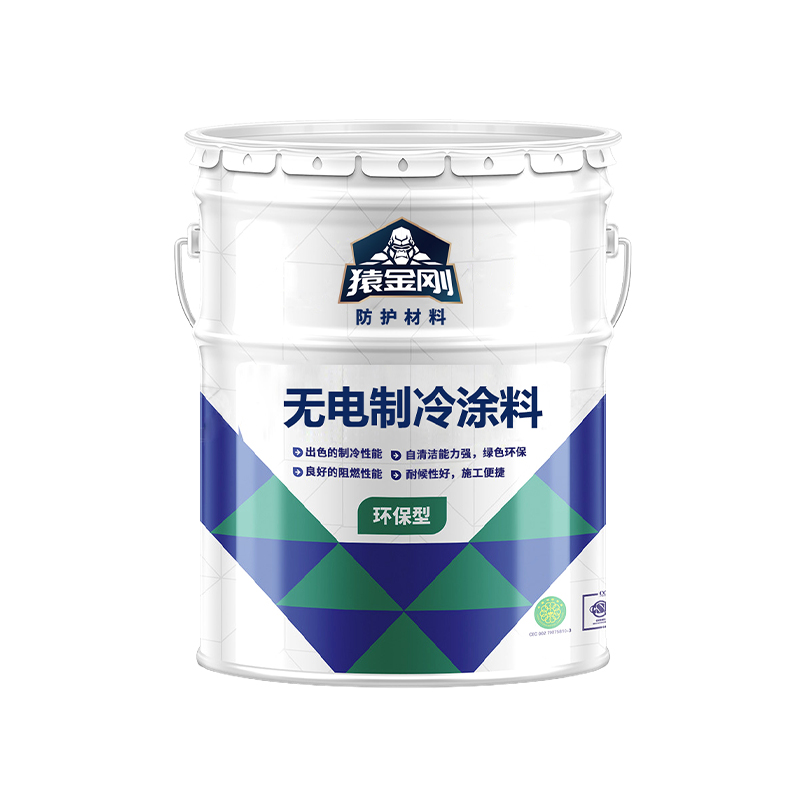
Radiative cooling coating is a new type of non-electric energy-saving coating. Through its dual characteristics of high reflectivity and high emissivity, it effectively reduces the surface and internal temperature of objects, providing an efficient temperature control solution for applications such as photovoltaic energy storage power stations, energy storage containers, bulk storage tanks, and outdoor battery cabinets. In high-temperature summer environments or under direct sunlight, radiative cooling coating can significantly reduce heat accumulation, improving equipment safety and lifespan.1. High Reflectivity Reduces Solar Energy AbsorptionThe primary function of radiative cooling coating is to reduce the absorption of solar radiation heat through high reflectivity. The coating uses a special formula that reflects most visible and near-infrared light, making the object's surface less prone to overheating. For battery modules or metal storage tanks in photovoltaic energy storage power stations, direct sunlight typically causes a rapid rise in surface temperature, increasing the heat dissipation burden on internal equipment. The high-reflectivity coating reflects most solar energy back into the environment, reducing the heat energy entering the material's interior, thereby significantly suppressing surface temperature rise and creating favorable conditions for internal temperature control.2. High Emissivity Promotes Heat ReleaseBesides reducing heat absorption, the radiative cooling coating also possesses high infrared radiation capability, radiating heat accumulated inside the object into the external space. High emissivity means the coating can effectively emit thermal infrared radiation in the 8–13 micrometer atmospheric window band, allowing the device to dissipate heat through thermal radiation both day and night. This spontaneous heat release method requires no additional energy consumption, forming a "passive cooling" mechanism that not only reduces surface temperature but also effectively transfers internal heat, thus ensuring the safe operation of energy storage devices or battery cabinets in high-temperature environments.3. Synergistic Effect of Primer and Functional TopcoatRadiative cooling systems typically consist of a JHF-100 primer and a JHF-201 functional cooling topcoat. The primer primarily provides good adhesion to the substrate and initial protection, while the topcoat achieves high reflectivity and high emissivity. The combination of the two forms a multi-layer coating structure, achieving a balance in mechanical strength, weather resistance, and thermal control performance. This multi-layer coating design not only enhances durability but also maximizes heat reflection and radiation effects, thereby continuously reducing surface and internal temperatures.4. Self-Cleaning Function Enhances Long-Term PerformanceIn long-term outdoor applications, dust, rain, and contaminants can affect the optical performance of the coating. Radial cooling coatings typically possess self-cleaning properties. Through surface microstructure design, dust is easily washed away by rainwater, maintaining high reflectivity and emissivity. This characteristic ensures that the coating maintains stable cooling efficiency even under prolonged exposure, reducing maintenance costs and guaranteeing continuous temperature control of the equipment.5. Comprehensive Effect of Reducing Internal TemperatureLowering surface temperature directly affects internal temperature. Photovoltaic cells, energy storage batteries, or metal tanks age faster or lose energy efficiency at high temperatures. Radial cooling coatings alleviate internal heat by reducing heat absorption and increasing heat release, thereby extending equipment life and improving energy efficiency. For example, in energy storage battery cabinets, a few degrees Celsius reduction in internal temperature can significantly slow down battery aging and safety hazards, improving overall system reliability.6. Energy Saving and Environmental AdvantagesRadiative cooling coating is a passive cooling technology that does not rely on external power sources or mechanical refrigeration equipment. It can significantly reduce the frequency of use of active cooling devices such as air conditioners or fans, reducing energy consumption and carbon emissions. This low-energy, high-efficiency temperature control method makes it highly valuable for applications such as large-scale photovoltaic energy storage power stations, outdoor energy storage containers, and industrial storage tanks.
In summary, the radiative cooling coating reduces solar energy absorption through high reflectivity and releases heat through high emissivity, achieving a dual reduction in surface and internal temperature. The synergy between the primer and functional topcoat, the multi-layered coating structure, and the self-cleaning design ensure stable and long-lasting cooling performance. This coating not only enhances equipment safety and lifespan but also possesses energy-saving and environmentally friendly characteristics, providing a reliable passive temperature control solution for modern outdoor energy storage systems and photovoltaic facilities.