How does aliphatic polyurea coating become a comprehensive damage protection network?
Publish Time: 2026-01-31
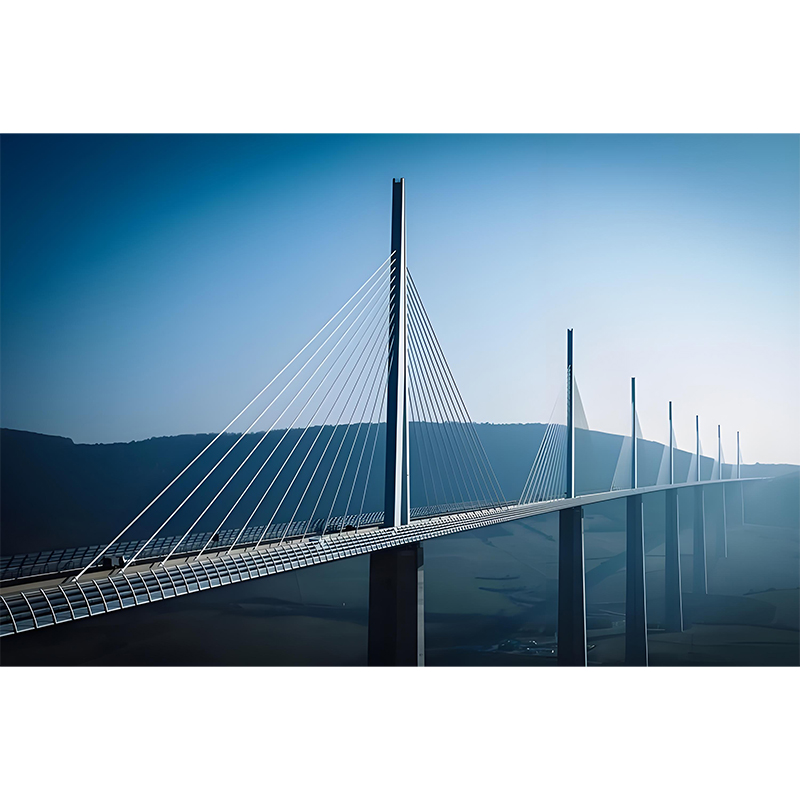
Driven by both harsh industrial environments and the demand for high-performance protection, aliphatic polyurea coating is becoming an "invisible armor" in the high-end surface protection field due to its superior comprehensive performance. As a fast-curing, high-crosslinking density elastomer material, aliphatic polyurea not only forms a tough and dense continuous film, but also sets new benchmarks in wear resistance, impact resistance, chemical corrosion resistance, and long-term weather resistance. Especially in the protection of special vehicles, heavy equipment, and critical infrastructure components, it constructs a comprehensive, full-lifecycle damage protection network, significantly improving equipment reliability and service life.1. Molecular Structure Advantages: Laying the Foundation for High PerformanceAliphatic polyurea is generated by the reaction of isocyanate and terminal amino polyether. Its main chain does not contain easily photodegradable benzene ring structures, fundamentally solving the defects of traditional aromatic polyurea or polyurethane that are prone to yellowing and chalking under ultraviolet radiation. This stable aliphatic skeleton endows the coating with excellent resistance to yellowing and long-term color retention, maintaining its initial gloss and color even after more than ten years of outdoor exposure—crucial for automotive parts requiring colored markings or landscape bridge cables.2. Superior Mechanical Properties: Excellent Impact and Abrasion ResistanceAliphatic polyurea coating possesses high tensile strength, high elongation at break, and excellent tear strength, enabling it to absorb energy through elastic deformation without cracking when subjected to high-speed gravel impacts, metal collisions, or repeated friction. For example, in applications such as military off-road vehicle chassis or mining dump truck cargo box linings, the coating effectively resists gravel impacts and material abrasion, preventing substrate dents or perforations. Its Taber abrasion resistance value is typically below 20 mg/1000 cycles, far superior to epoxy or ordinary polyurethane, making it particularly suitable for high-speed rotating applications involving contact with abrasive particles, such as environmental filter rollers.3. Strong Adhesion and Broad Substrate CompatibilityThanks to its low surface tension and active functional groups, aliphatic polyurea exhibits extremely strong adhesion to steel, aluminum, concrete, fiberglass, and even some plastics. Only simple sandblasting or priming is required before application to achieve a dual combination of "chemical anchoring + mechanical bonding." On integral steel structural frames or bridge cables, this strong adhesion ensures that the coating does not blister or peel under thermal expansion and contraction or dynamic loads, forming a complete protective barrier.4. Chemical and Environmental Corrosion Resistance: Protecting Against Extreme ConditionsThe dense, pinhole-free coating provides excellent barrier properties against moisture, salt spray, acid and alkali solutions, and oils. In coastal areas with high salt spray, the corrosion rate of bridge cables coated with aliphatic polyurea is reduced by more than 90%; in chemical plant environments, equipment surfaces can withstand corrosion from media with pH values from 3 to 11. Simultaneously, its wide operating temperature range of -40℃ to 120℃ ensures that it remains flexible and non-brittle in cold regions or high-temperature workshops.5. High-Efficiency Construction and Environmental AdvantagesAliphatic polyurea uses a two-component, high-pressure, airless spraying process, gelling in seconds and surface drying in minutes, allowing application on damp surfaces and significantly shortening the construction period. The 100% solids content formula has no VOC emissions, aligning with green manufacturing trends. A single coat can achieve a film thickness of 500–2000 micrometers, eliminating the need for multiple coats and reducing labor costs.Aliphatic polyurea coating, with its unique properties of being "as tough as a shield and as flexible as skin," combines impact resistance, abrasion resistance, corrosion resistance, weather resistance, and aesthetics. It is not only a physical barrier but also a strategic choice for extending asset life and reducing overall lifecycle maintenance costs. From specialized vehicles traversing battlefields to century-old bridges spanning rivers, this invisible protective net silently safeguards the backbone and arteries of modern industry, showcasing the power and vision of materials science.